Case Study
Integrating modelling and machine learning for mine-to-mill optimisation in IES
14 Sept 2026
Australian Research Council Training Centre for Integrated Operations for Complex Resources, Adelaide University
Customer Profile
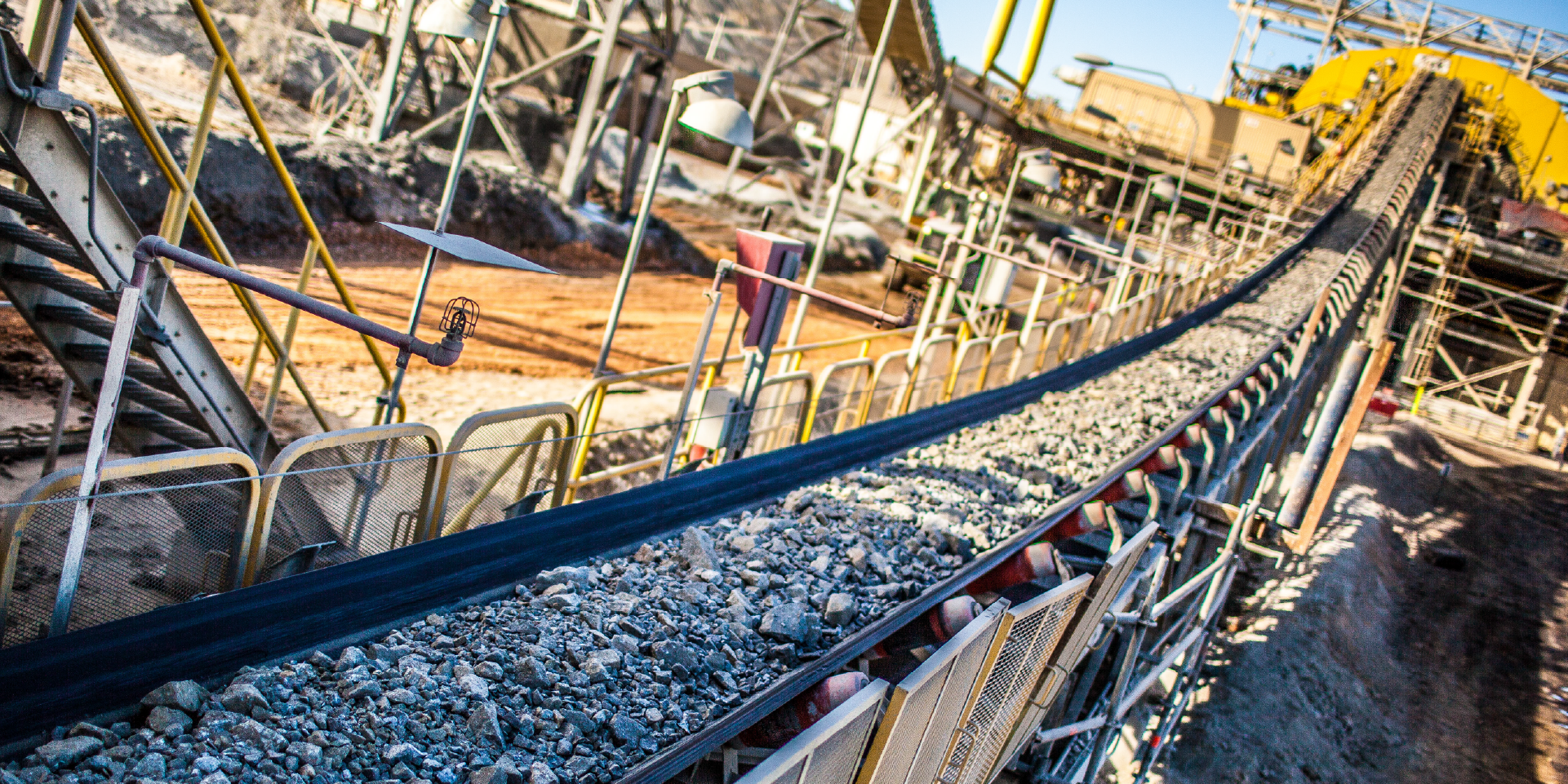
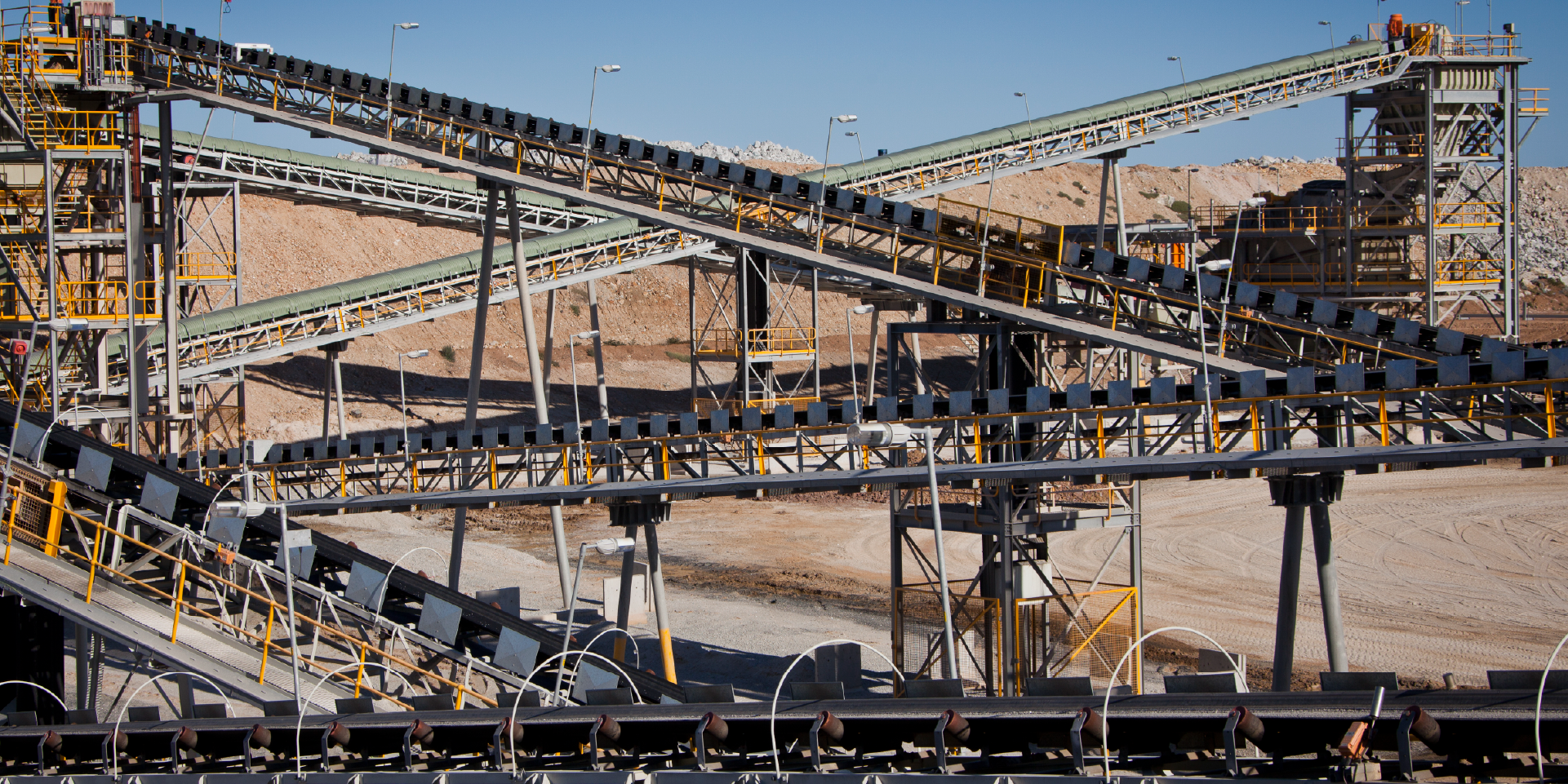
This study utilised a publicly documented mine-to-mill circuit representative of a large gold operation located in the United States. The operation included blasting, crushing, stockpiling and SAG milling stages, allowing evaluation of how upstream fragmentation decisions influence downstream processing performance across the mining value chain. Detailed technical reports describing the operation's geology, mining and processing circuits provided the basis for calibration of the Integrated Extraction Simulator (IES) flowsheet and subsequent machine-learning model development.
.png)
The situation
Modern mining operations generate large volumes of operational and process data yet evaluating the impact of changes across the entire mine-to-mill value chain remains challenging. Traditional optimisation approaches often focus on individual process areas such as blasting, crushing or grinding, making it difficult to understand how upstream decisions influence downstream performance. Running detailed process simulations can provide these insights, but high-fidelity mine-to-mill models are computationally intensive and often impractical for rapid operational decision-making.
To address this challenge, researchers developed an integrated machine learning and simulation framework using Orica Digital Solutions' Integrated Extraction Simulator. The objective was to create fast, reliable meta-models capable of replicating mine-to-mill process behaviour while enabling rapid assessment of operational scenarios across the mine.
Using publicly available information from the site and a calibrated mine-to-mill flowsheet, the study investigated how operational variables influence particle size distributions (PSD) and throughput across the processing chain. More than three million simulated scenarios were generated to build machine learning models capable of supporting near-real-time decision-making.
Technical solutions
The flowsheet was calibrated using publicly available operational and process data, ensuring simulated PSDs and material flows aligned with reported plant performance.
Once calibrated, IES was used to generate more than three million operational scenarios covering a wide range of process conditions, including variations in:
- Burden and spacing
- Hole diameter
- Explosive density
- Velocity of detonation (VOD)
- Screen cut sizes
- Crusher settings
- SAG mill load
- SAG mill speed
- Water addition rates
To accelerate scenario evaluation, machine learning meta-models were trained using the simulation outputs. Multiple algorithms were evaluated, including Random Forest, XGBoost, Decision Tree and Linear Regression. These models were trained to predict key process KPIs across each stage of the mine-to-mill chain, including:
- P20, P50 and P80 PSD
- Material mass flow rates
- Downstream process responses
A SHAP (SHapley Additive exPlanations) analysis to improve model transparency and identify the variables with the greatest influence on process performance was also applied.
The result
The study successfully demonstrated how machine learning and simulation can be combined to create a practical mine-to-mill decision-support framework.
Key outcomes included:
- Development of an integrated blasting-to-SAG mill digital flowsheet
- Generation of more than 3 million mine-to-mill operating scenarios
- Machine learning prediction accuracies exceeding 90% for key process outputs
- Identification of the most influential variables at each stage of the value chain
- Near-real-time evaluation capability for potential operational scenarios
- Improved transparency through SHAP-based sensitivity analysis
The framework provides mining operations with a practical mechanism for rapidly evaluating operational alternatives while maintaining consistency with a validated mine-to-mill simulation model. By combining simulation, machine learning and explainable AI, the approach supports faster and more informed decision-making across the entire value chain.
Key insights generated
The implementation of IES enabled several critical insights that are difficult or computationally expensive to obtain using conventional high-fidelity simulation alone.
- High-fidelity meta-models enable rapid decision-making
The machine learning models successfully replicated the behaviour of the calibrated IES flowsheet while substantially reducing evaluation time. Random Forest and XGBoost models consistently achieved prediction accuracies greater than 90% across key process outputs, demonstrating their suitability for rapid scenario screening and operational decision support.
- Blasting variables drive downstream performance
The analysis showed that blast-hole diameter was within the investigated modelling conditions. Larger blast-hole diameters generated finer fragmentation due to increased explosive energy concentration within the rock mass. Explosive density and VOD also played significant roles in determining P20, P50 and P80 distributions. Conversely, increasing burden and spacing generally resulted in coarser fragmentation.
Fragmentation propagates through the entire value chain
The study highlighted the strong relationship between upstream fragmentation and downstream process performance.PSD generated during blasting directly influenced screen performance, crusher feed characteristics, stockpile size distributions, SAG mill feed conditions.
The results demonstrated that changes made at the blast design stage can propagate through multiple downstream processing steps and significantly affect overall circuit behaviour.- Screening and crushing are strongly influenced by feed characteristics
The machine learning models identified blasting PSD as key drivers of screening and crushing performance.
For screening operations, screen cut size (D50) was found to be the dominant parameter controlling underflow particle size distribution Within the crushing circuit, the size distribution of the screen oversize stream exerted the greatest influence on crusher product characteristics, confirming the importance of managing fragmentation upstream rather than relying solely on crushing performance to achieve target sizes.
- SAG mill operating conditions remain critical
For the SAG mill, operational parameters were found to be more influential than feed characteristics. The most important variables included: mill speed, mill load and water content SHAP analysis revealed that mill speed had the strongest influence on final product PSD, while load and water addition significantly affected grinding efficiency and product fineness.
Reference
This case study is based on previous work by Nobahar, P., Xu, C., and Dowd, P. (2026), Integrating Machine Learning and Simulation for Integrated Mine-to-Mill Flowsheet Modelling: A Meta-Modelling Framework. Minerals, 16(2), 216. Available online (open access).
Acknowledgements
Orica is grateful to Adelaide University for the the research collaboration and application of the Integrated Extraction Simulator.
Author: Paulo Lopez Pardo
Date: September 2026
Integrated Extraction Simulator
Learn more about how the Integrated Extraction Simulator can support your operations.