
Blog
Fighting Glacier Retreat and Water Scarcity in Chile
27 Apr 2026
Nilus Project Progress (2025-2026 Update)
The accelerating effects of climate change are increasingly evident in Chile, where glacier retreat and water scarcity are becoming more urgent each year.
Supported by the Orica Impact Fund (OIF), the Nilus Project brings together Orica, GroundProbe and Nilus to test and scale artificial ice reservoirs, an approach designed to strengthen water resilience for high-altitude ecosystems and nearby communities. This update outlines progress from the 2025 season and the focus areas for 2026.
What is Nilus?
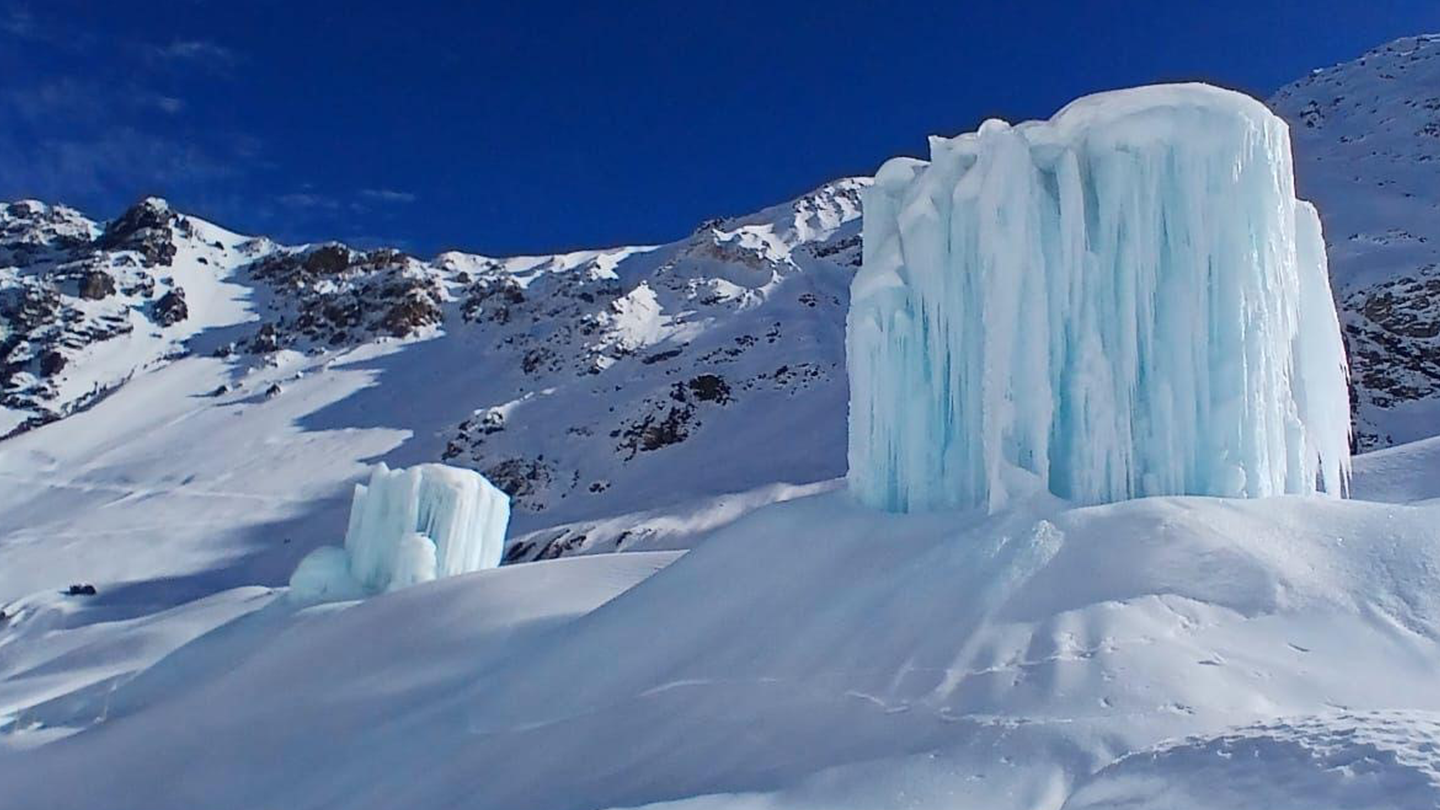
Nilus is a Chilean geoengineering company developing AI-enabled, nature-based solutions to improve water availability in fragile mountain environments. One of its key innovations is Artificial Ice Reservoirs, scalable freezing structures that replicate natural glacier processes to increase water retention in high-altitude areas.
Over the past year, the Nilus Project has continued advancing the development, implementation and data collection of the artificial ice reservoir system in Chile. The 2025 season focused on consolidating the operational model in high-altitude conditions, improving the efficiency of the freezing structures, and strengthening the monitoring framework to better understand ice accumulation and melt dynamics.
2025 Season highlights
During the 2025 season, the team focused on making the system more reliable in demanding, high-altitude environments, consolidating the operational model, and improving the efficiency of the freezing structures to support stronger ice formation throughout the installation period.
They also expanded the network of organisations supporting the initiative for the current season, particularly within the mining industry. These collaborations are helping reinforce both the scientific and operational dimensions of the project, contributing to a more robust climate adaptation platform focused on water resilience in mountain ecosystems.
As part of the program’s educational activities, the team visited four high-mountain schools in the region to share the project’s purpose and invite local communities to be part of its development.
Current phase: Data collection
Monitoring and data collection remain central to the program. During this season, the team strengthened its monitoring framework to better track ice accumulation and melt dynamics, building a stronger evidence base to evaluate performance and guide continuous improvement over time.
What's next?
Looking ahead to the 2026 season, the main efforts are focused on installing 10 artificial ice reservoirs, further refining monitoring capabilities, and continuing to generate data to support the long-term evaluation of the technology. Current progress against the delivery timeline is summarised below.
The Nilus Project continues to show how collaboration and innovation can strengthen climate adaptation and water resilience in mountain ecosystems. The team is looking forward to sharing insights from the 2026 season as implementation scales and the evidence base grows.
Related products and services

Business
Digital Solutions

Digital Solutions
Geosolutions

Digital Solutions
GroundProbe
