Case Study
Enhancing blast performance and fragmentation control through FRAGTrack™ enabled insights
02 Nov 2026
Wuxue Quarry, Huaxin Aggregates, China
Site Profile
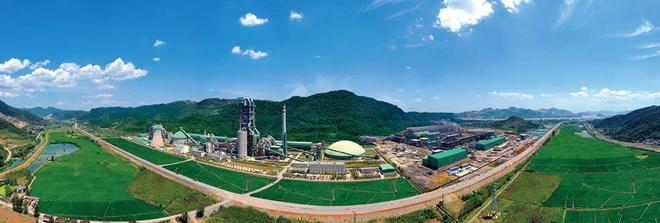
Wuxue Quarry, part of Huaxin Cement’s Aggregate and Wall Materials Division, is one of the largest aggregate operations in China. Established in 2012, the site has undergone significant expansion, increasing production capacity from 6 million tonnes per annum to approximately 40 million tonnes following major upgrades completed in 2021. As part of Huaxin’s broader consolidation strategy, Wuxue has become a flagship operation supporting regional demand for construction aggregates. With increasing market pressure and declining aggregate prices, Huaxin prioritised operational efficiency, cost control, and digital transformation to maintain competitiveness.
"It's a great honor to be part of this project and work together in full collaboration. This advanced system provides Huaxin Aggregates with more effective methods to support high-quality production"
Guang Zhang
Plant Supervisor, Huaxin Aggregates
The situation
Huaxin identified blasting performance and fragmentation control as key levers to improve downstream processing efficiency and product yield.
Several operational challenges were present:
- High proportion of fines (<5mm), historically reaching up to ~14–20%, resulting in reduced product value
- Limited visibility into blast performance and contractor efficiency
- Inconsistent fragmentation impacting crusher performance and throughput
- Lack of integrated, real-time data linking blast design to crusher outcomes
- Manual and fragmented processes for monitoring and analysis
The operation required a unified solution to analyse and optimise drill and blast performance from mine to crusher. They would need a system that provides near real-time fragmentation measurement, link blast outcomes to crusher performance, enable data-driven optimisation of blast design and reduce total cost of operation through improved fragmentation.
Technical solution
Orica proposed a combined digital and technical services solution, centered around FRAGTrack™ and supported by on-site optimisation expertise.
FRAGTrack™ implementation
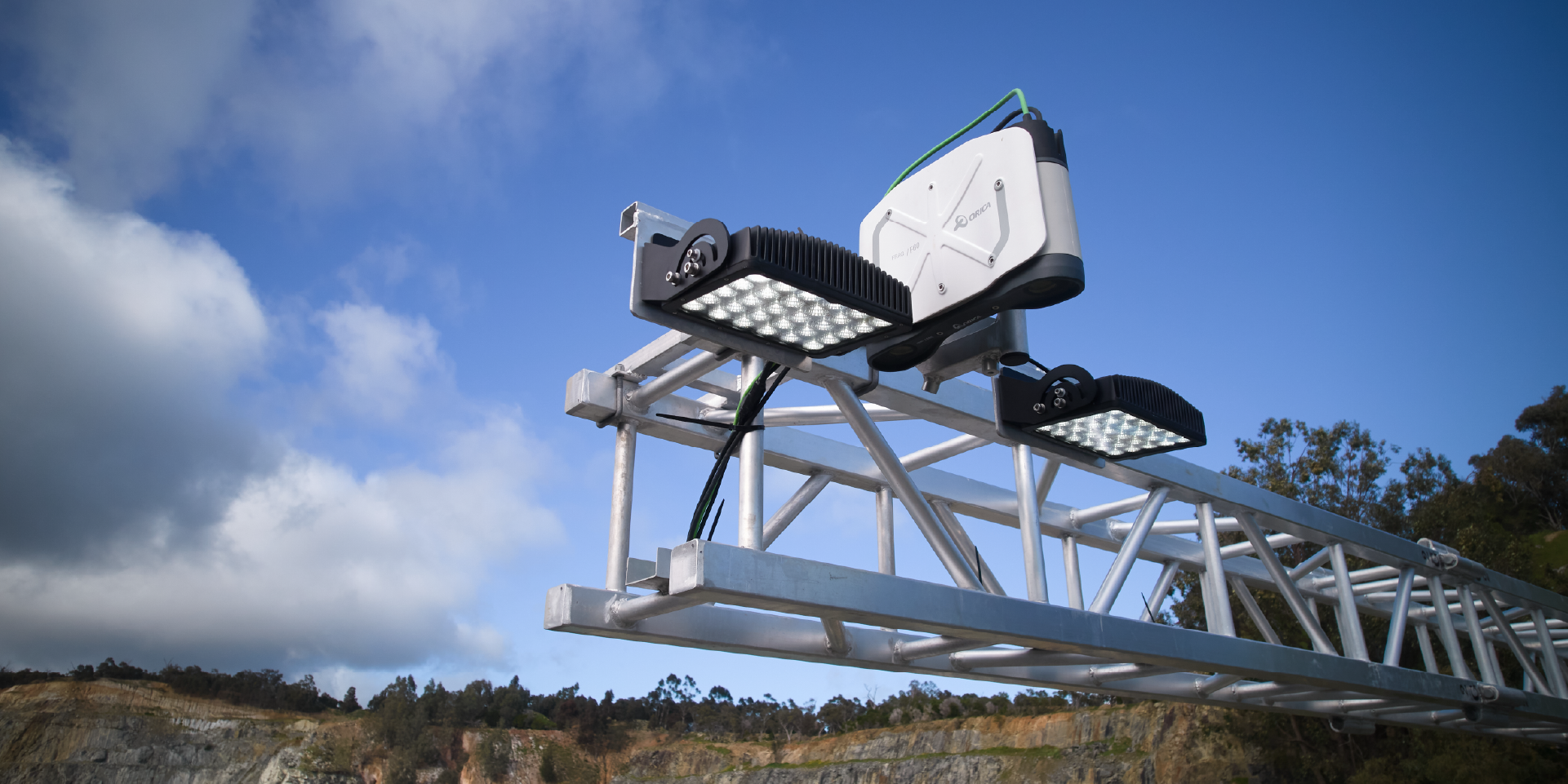
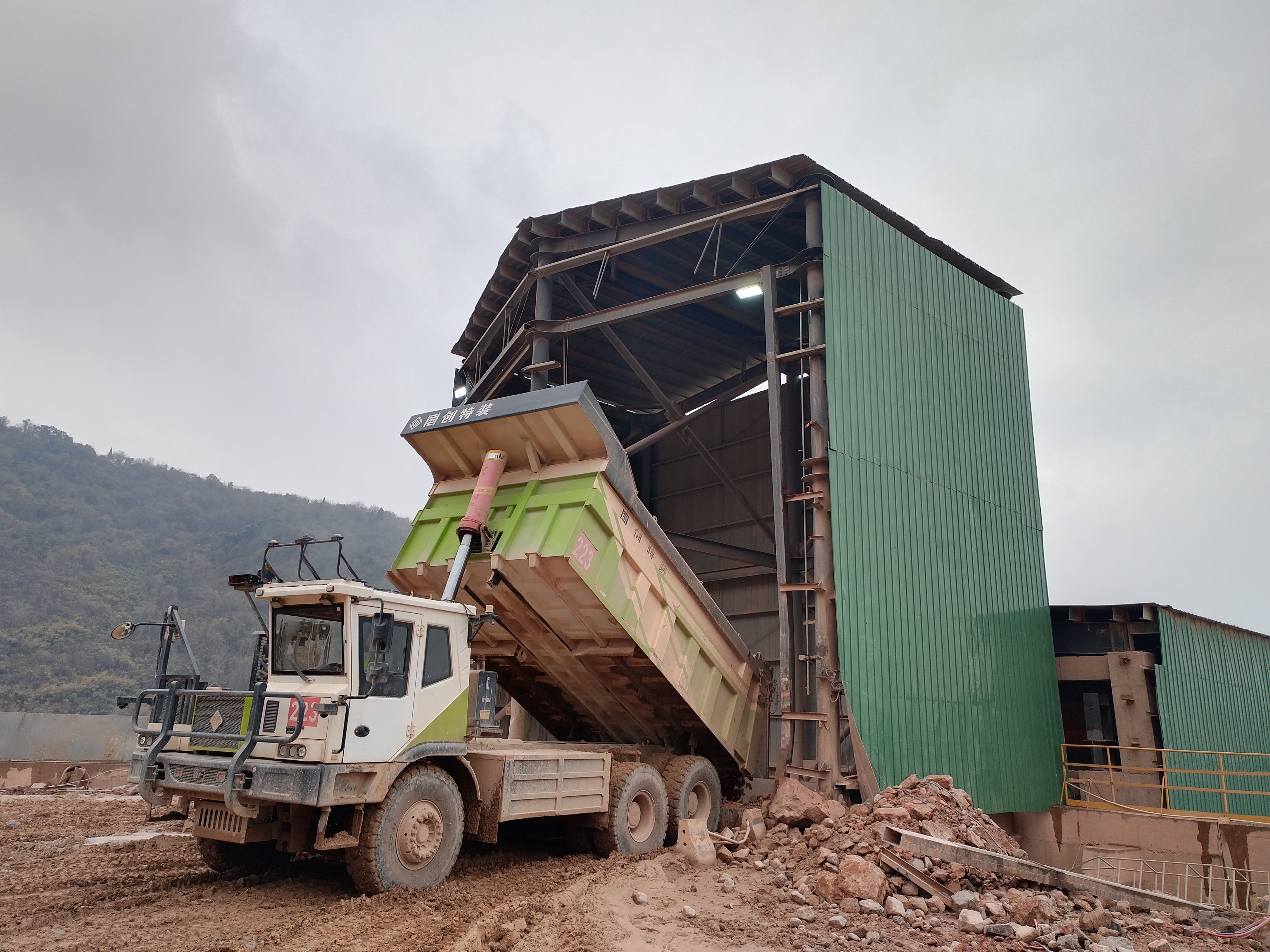
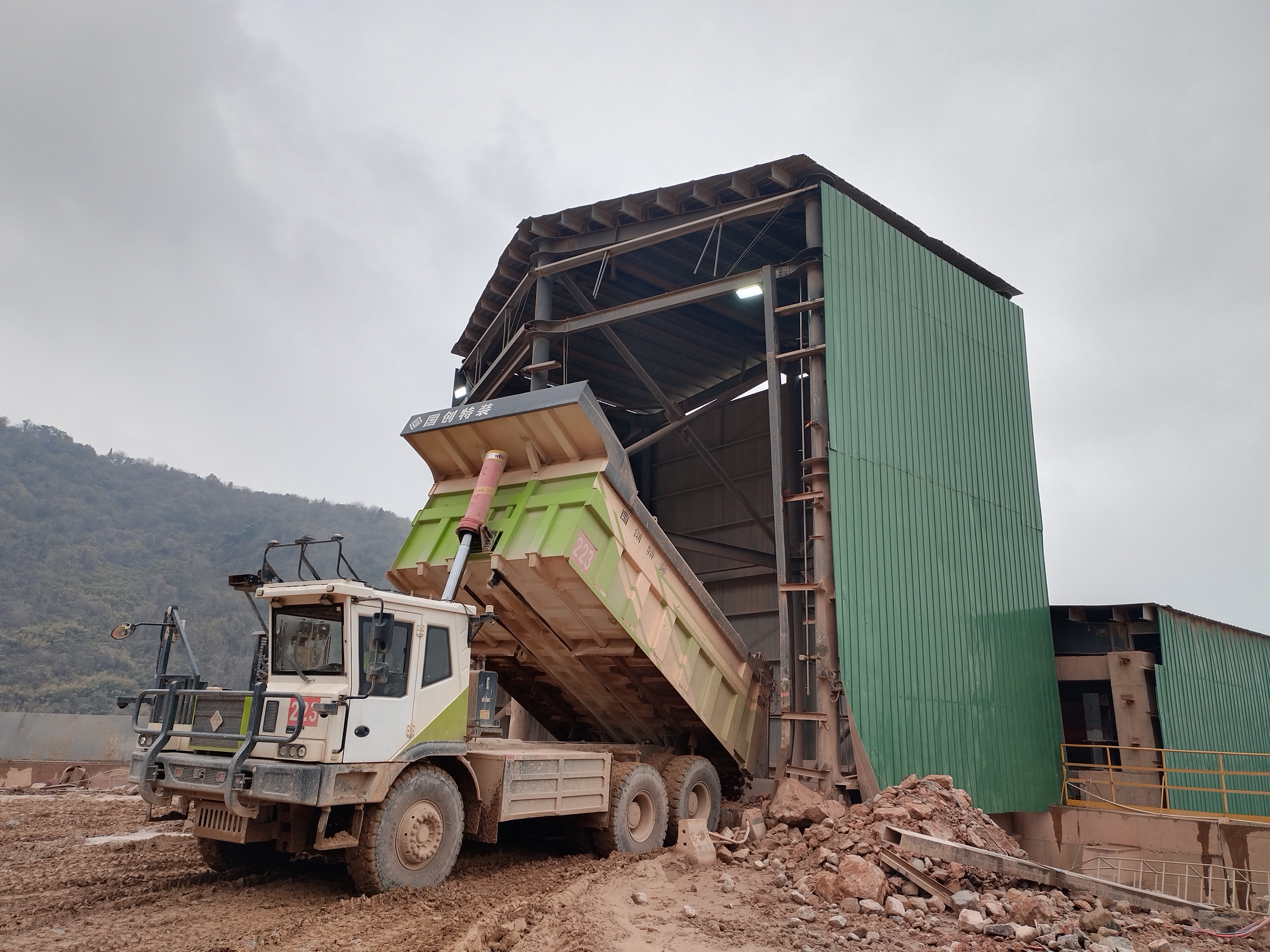
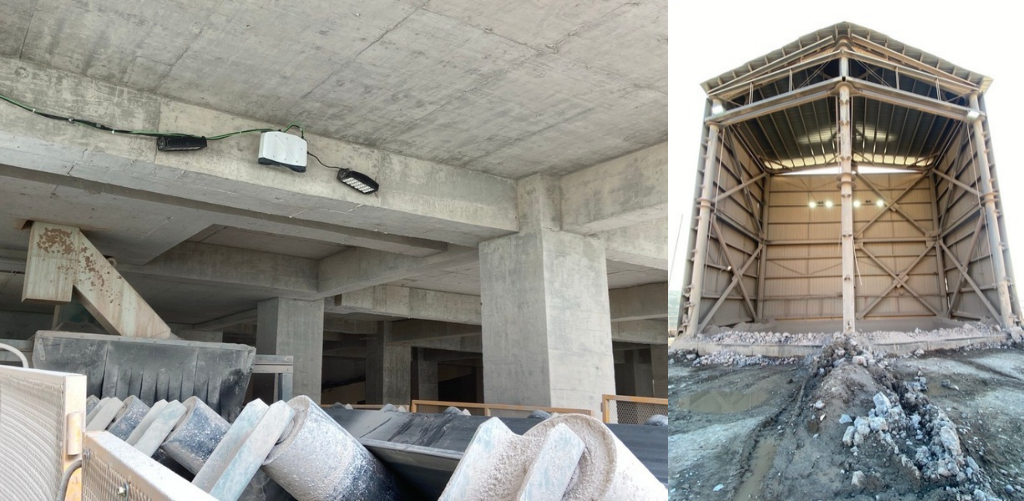
Two FRAGTrack™ crusher units were installed at a primary crusher’s dump points and one FRAGTrack™ conveyor unit was installed in the post crusher conveyor for continuous monitoring. The systems were configured to operate on the site’s 5G-enabled Internet of Things (IoT) network for real-time data transmission. Web-based access of automated particle size distribution (PSD) data was provided to Huaxin personnels.
This enabled:
- Continuous monitoring of crusher feed fragmentation
- Identification of fines (<20mm and <60mm fractions)
- Linking of PSD data to specific blasts via truck and muckpile tracking
- Monitoring Crusher performance using continuous PSD from FRAGTrack™ Conveyor on post-crusher conveyor
- Centralised access to fragmentation insights across stakeholders
Technical service integration
Orica Digital Solutions deployed a dedicated technical service program, including:
- SHOTPlus™ training and blast modelling to support optimisation
- Fragmentation prediction using Kuznetsov-Cunningham-Ouchterlony (KCO) and SHOTPlus™ fragmentation modelling techniques
- Pattern expansion and air decking techniques
- Integration with Boretrak, drone surveys, and field measurements
- Investigation of geological variability and explosive loading practices impacting blast performance
This helped in the development of baseline fragmentation performance and plan blast design optimisation and quality control accordingly.
"We are satisfied with the cost savings from drilling expansion and see strong potential to further optimise fragmentation and reduce fines using this system"
Xinzheng Zhang
Chief Mining Engineer, Huaxin Aggregates
Execution
The project followed a structured and phase-wise approach:
- Baseline establishment: PSD data was collected via FRAGTrack™ and weekly aggregation used to establish a stable baseline.
- Data integration and analysis: A time-window based analysis to track trucks from blast muck-piles and correlate PSD data with individual blasts and operational conditions
- Blast optimisation: Key optimisation strategies included drilling pattern expansion (from 4.5m × 5.5m to 4.7m × 7.0m) and air decking to optimise energy distribution. Improvements in loading practices, initiation systems (bottom initiation) and density control and stemming were implemented. The SHOTPlus™ fragmentation prediction model was used to validate the design changes against fragmentation targets.
- Operational improvements: Additional process enhancements included improving back wall control and blast geometry and strengthening quality control in charging practice and drilling accuracy.
The result
The combined digital and technical approach delivered measurable improvements in fragmentation and operational performance.
Fragmentation improvements
FRAGTrack™ data confirmed that blast pattern expansion successfully reduced fines generation while maintaining acceptable fragmentation. The proportion of material finer than 20mm decreased from approximately 21.4% under the baseline design to 19.1% with the recommended 7.0m × 4.7m pattern.
Under favourable geological and water conditions, optimised ANFO blasts further reduced the <20 mm fraction to 17.5-18.0%, demonstrating the potential for more reduction compared with baseline production. The reduction in fines was accompanied by a coarser fragmentation profile (higher P80), indicating improved energy utilisation and a greater proportion of crusher-feed-sized material.
| Metric | Baseline | Post-optimisation | Improvement |
| <20mm | ~21.5% | ~19.1% - 20.6% | up to 2.4% |
| <60mm | ~47.5% | ~42.6% - 44.2% | up to 4.9% |
| P80 | ~180mm | ~182mm - 202mm | up to 9% |
Key outcomes
- Reduction in fines, increasing proportion of higher-value aggregate
- Established a data-driven workflow linking blast design, fragmentation measurement and operational performance
- Improved control and consistency of blast outcomes
- Increased P80, enabling better utilisation of crusher capacity
- Reduced powder factor (PF) through optimised blast design
- Enhanced transparency from mine-to-crusher performance
- Identified the correlation between geological variability and fragmentation, that will help with future blast designs
Overall, data-driven decision-making has replaced manual analysis and enabled monitoring blasting contractor performance. The combination of centralised, continuous, and remote access to fragmentation data has enabled mine sites to identify the true drivers of blast performance in real time and optimise blast parameters accordingly. This capability has delivered significant value to the Huaxin Group and established a foundation for ongoing optimisation across its other operations
Acknowledgements
Orica Digital Solutions wishes to thank Wuxue Group for their support and permission to publish this case study.
Author: Chuande Guo, Susweta Gupta, Yong Liu, Shurentsetseg Bukhchuluun
Date: November 2026
FRAGTrack™
Learn more about how the FRAGTrack™ can support your operations.