
Insight
Connected underground mining solutions for greater control.
13 Aug 2026
Key takeaways
• Improve ore recovery through greater blast control.
• Reduce dilution and protect ore value.
• Increase visibility with connected digital workflows.
• Strengthen blast coordination across underground operations.
• Support safer, more productive mining outcomes.
How can underground mines recover more ore in complex stopes?
Increasing ore recovery becomes harder as underground mines encounter more complex orebodies, tighter boundaries and challenging stope geometries. In these conditions, value can be left behind unless operations have the flexibility to change how ore is accessed, sequenced and extracted.
At Agnico Eagle’s Odyssey Mine, the recovery challenge was driven by complex stope geometry and limited available void. A conventional approach would have required additional waste development, adding time, cost and exposure without directly improving the extraction outcome.
To address this, Agnico Eagle and Orica used WebGen™ wireless initiation to enable a reverse throw retreat mining method. Because WebGen™ allows blast rings to be preloaded and fired remotely when void becomes available, the team could sequence extraction in a way that conventional initiation methods could not support.
That sequencing flexibility was central to the result. It enabled ore to be recovered from constrained areas while maintaining dilution control and reducing re-entry requirements after firing. The approach delivered up to 97% ore recovery and showed how wireless initiation can create practical recovery options when conventional stoping methods limit access, sequencing or economic viability.
Read the Odyssey Mine WebGen™ case study.
At Dhilmar's Éléonore Mine, WebGen™ enabled a redesigned mining approach that increased initial ore recovery by 231% while reducing personnel exposure in higher-risk areas. By improving the precision and consistency of blast execution, mines can recover more saleable ore, minimise waste, improve coordination across operations and support safer, more productive outcomes.
How can mines reduce dilution and protect ore value?
Recovering more ore is only part of the equation. Protecting ore value requires precise control of blast outcomes. Dilution remains one of the most significant factors affecting underground mining profitability. As underground mines push for higher recovery, controlling waste movement is critical to maintaining feed grades, processing efficiency and profitability.
Technologies such as 4D™ Underground enable more precise energy placement within and between blast holes, helping engineers align blast outcomes with geological conditions and ore boundaries.
At MMG's Dugald River Mine, greater control of explosive energy helped optimise blast performance while balancing ore recovery, geotechnical stability and infrastructure protection.
The result is improved control over dilution, overbreak and value recovery from every stope.
View the case study
Learn more about 4D™ Underground Bulk Technology - The In Hole Energy Control Revolution in the podcast recording with Mining Now
Turning blasting data into better decisions
As mining operations become increasingly data-rich, the challenge is turning that information into actionable insights.
Disconnected workflows, paper records and siloed systems can limit visibility across drilling, charging and blast execution activities.
The implementation of BlastIQ™ Underground at DPM Metals Chelopech, transitioned key blasting processes from paper-based workflows to a connected digital environment. Improving accessibility of QA/QC information and digitising drillhole-level execution and enabling greater operational awareness.
At MMG Limited Rosebery Mine, digital QA/QC workflows reduced reliance on paper-based processes, improved information access and strengthened operational decision making.
Building on the digitalisation journey, Digital Solutions and MMG Rosebery established a reliable, data-driven approach to measuring blast fragmentation as material exited the mine through the portal with FRAGTrack™.
Digitalisation is not about collecting more data. It is about improving visibility, consistency and control to support better operational outcomes.
Blasting coordination is becoming a mine-wide challenge
The challenge of underground blasting is no longer limited to executing a single blast safely and effectively. Today's operations must coordinate multiple production and development activities across increasingly complex mining environments, often within narrow operational windows.
Every blast has downstream impacts. Delays can affect development schedules, production sequencing, re-entry timing and resource allocation across the mine. As operations expand, maintaining visibility and control over these interconnected activities becomes increasingly difficult.
Centralised blasting, enabled by blasting systems that deliver remote firing from a single location, are helping miners address this challenge by bringing planning, verification and initiation into a more connected operating model. Rather than managing blasts in isolation, operations can coordinate activities across multiple work areas while improving consistency, traceability and operational awareness.
At Fimiston Underground and Kristineberg Mine, ORBS™ has supported this shift towards more coordinated blast management, helping improve visibility, strengthen operational control and reduce personnel exposure to active blasting areas.
For underground mines, the opportunity extends beyond initiating blasts remotely. It is about creating the coordination and control needed to manage increasingly complex operations with greater confidence.
Why safety and productivity work together
The most successful underground operations do not treat safety and productivity as competing priorities. Connected technologies and workflows help operations:
- Improve ore recovery,
- Reduce dilution,
- Strengthen blast execution,
- Improve operational visibility, and
- Reduce personnel exposure to higher-risk environments.
When planning, charging, initiation, execution and measurement are connected, mines can achieve more predictable and consistent outcomes across the drill and blast process.
Optimise every stope
Every underground mine faces unique challenges, but the goals remain the same: recover more ore, reduce dilution, improve productivity and make safer, more informed decisions.
The answer is not found in a single product or process. It comes from connecting the technologies, workflows and decisions that drive performance throughout the mining cycle.
Through technologies including BlastIQ™ Underground, WebGen™, ORBS™ and 4D™ Underground, Orica helps underground operations move from complexity to control, recover more ore and lose less value.
Case Studies
Optimise every step, connect every decision.
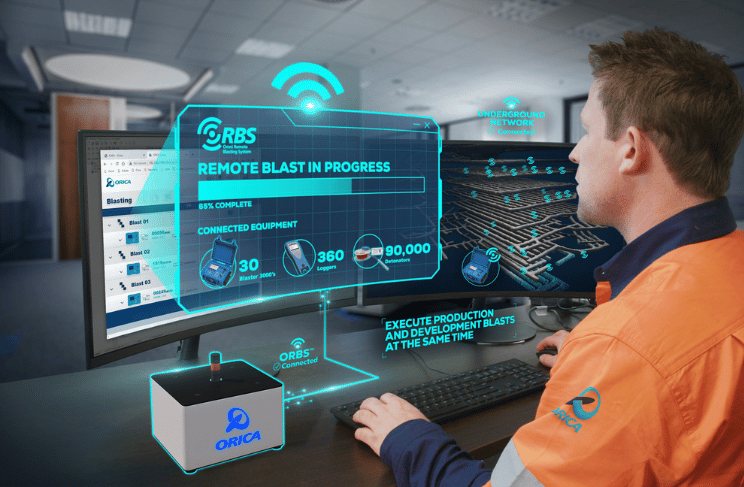
Need production and development blasting?
Centralise blast initiation, improve consistency and evacuation.
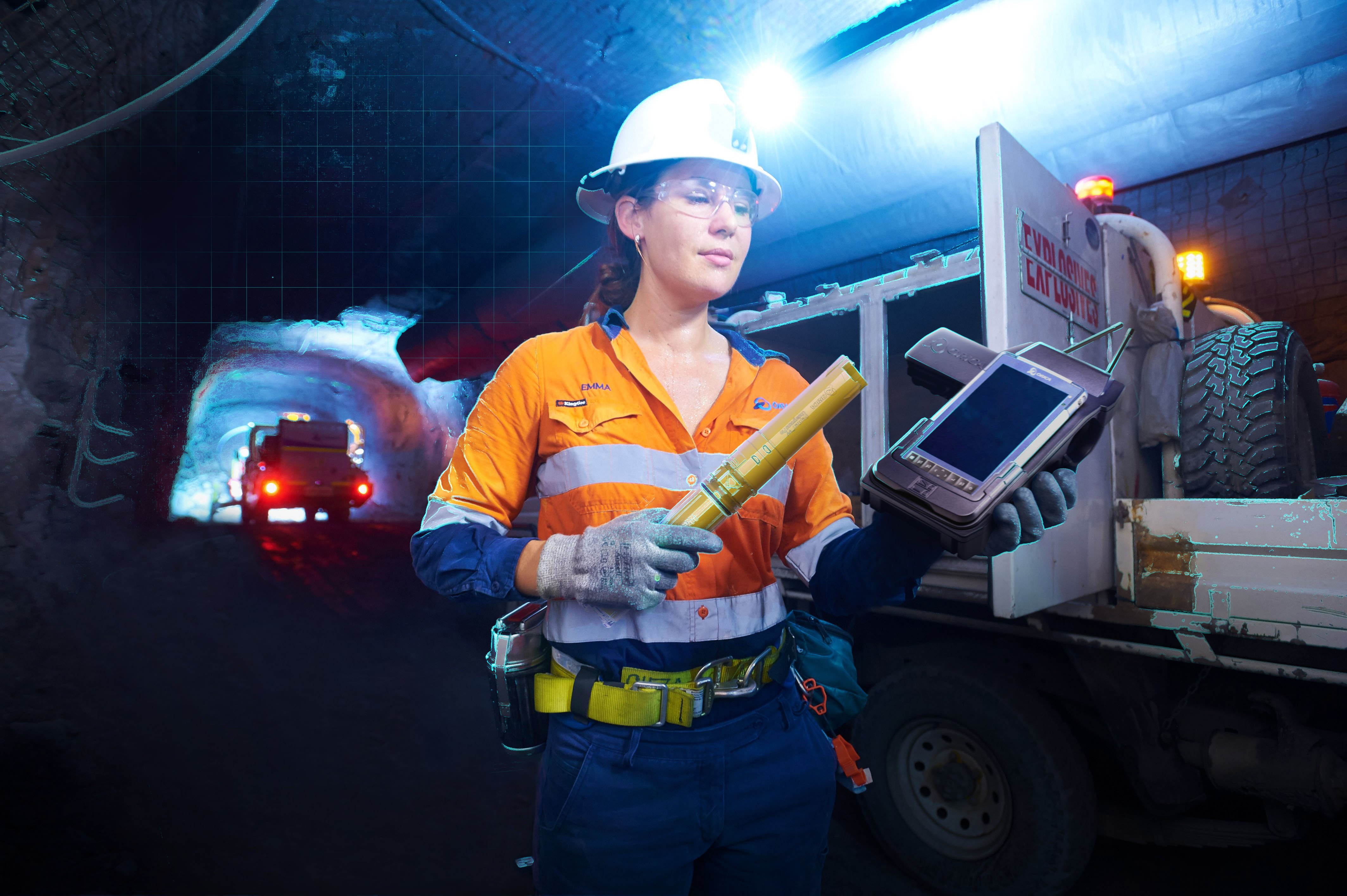
Still building T drives?
Eliminate development and accelerate stope cycles with WebGen™.
Learn more
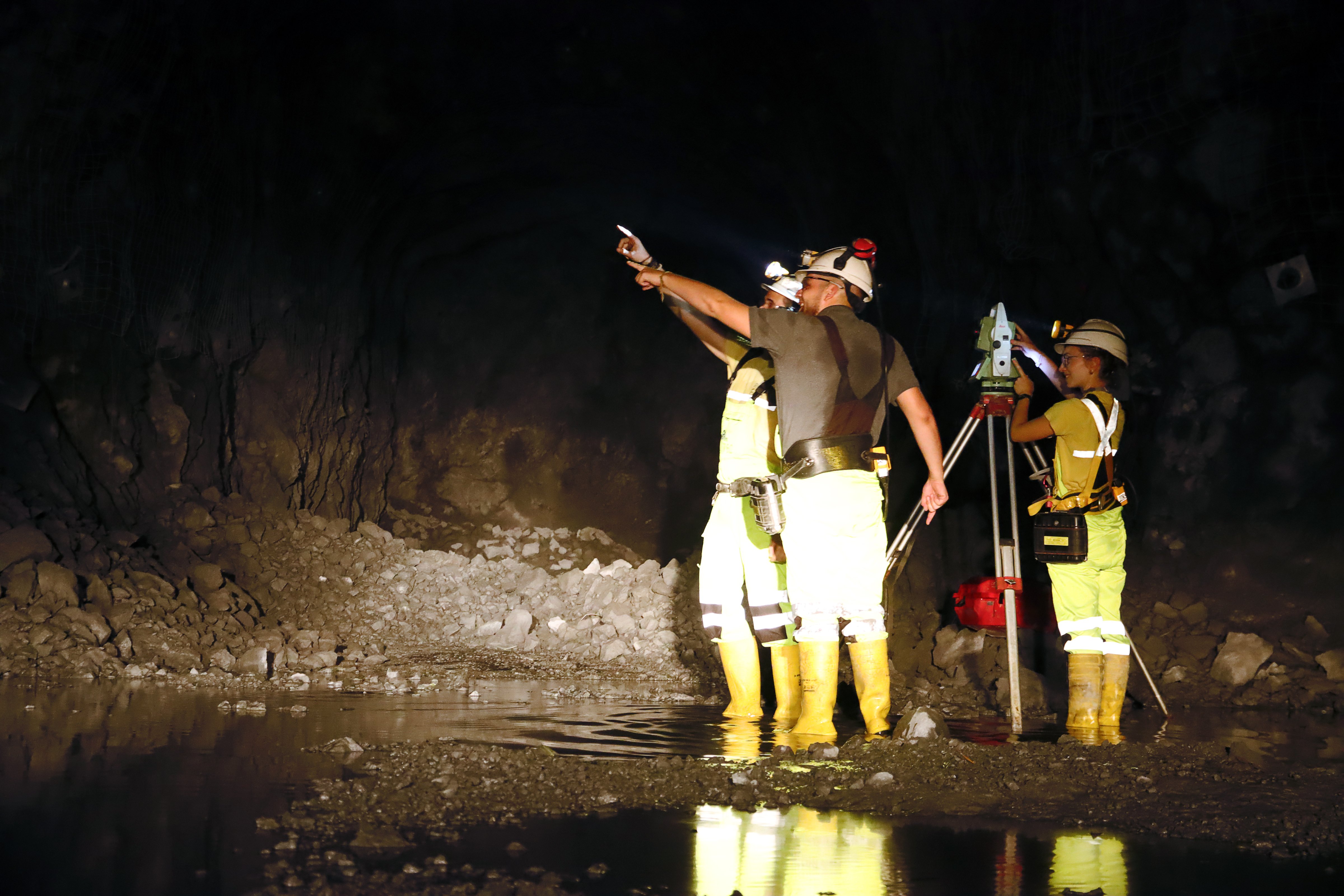
Optimise every stope?
Connect design, measurement, charging, and initiation in a single workflow.
Learn more
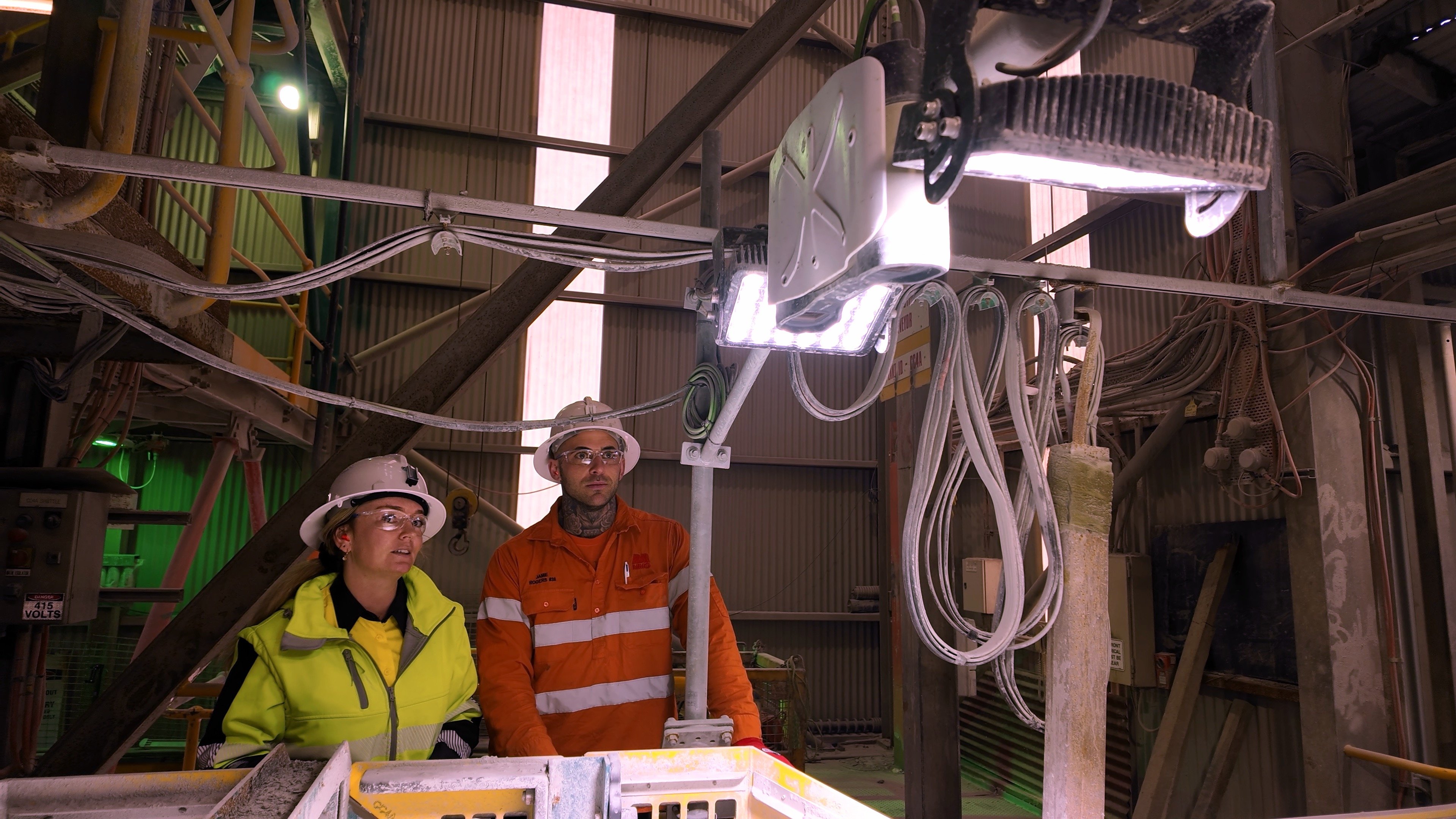
Fragmentation impacting productivity?
Measure blast outcomes, optimise downstream performance.
Still relying on disconnected blasting workflows?
Centralise information, improve visibility, and strengthen quality control across design and execution.
Learn more
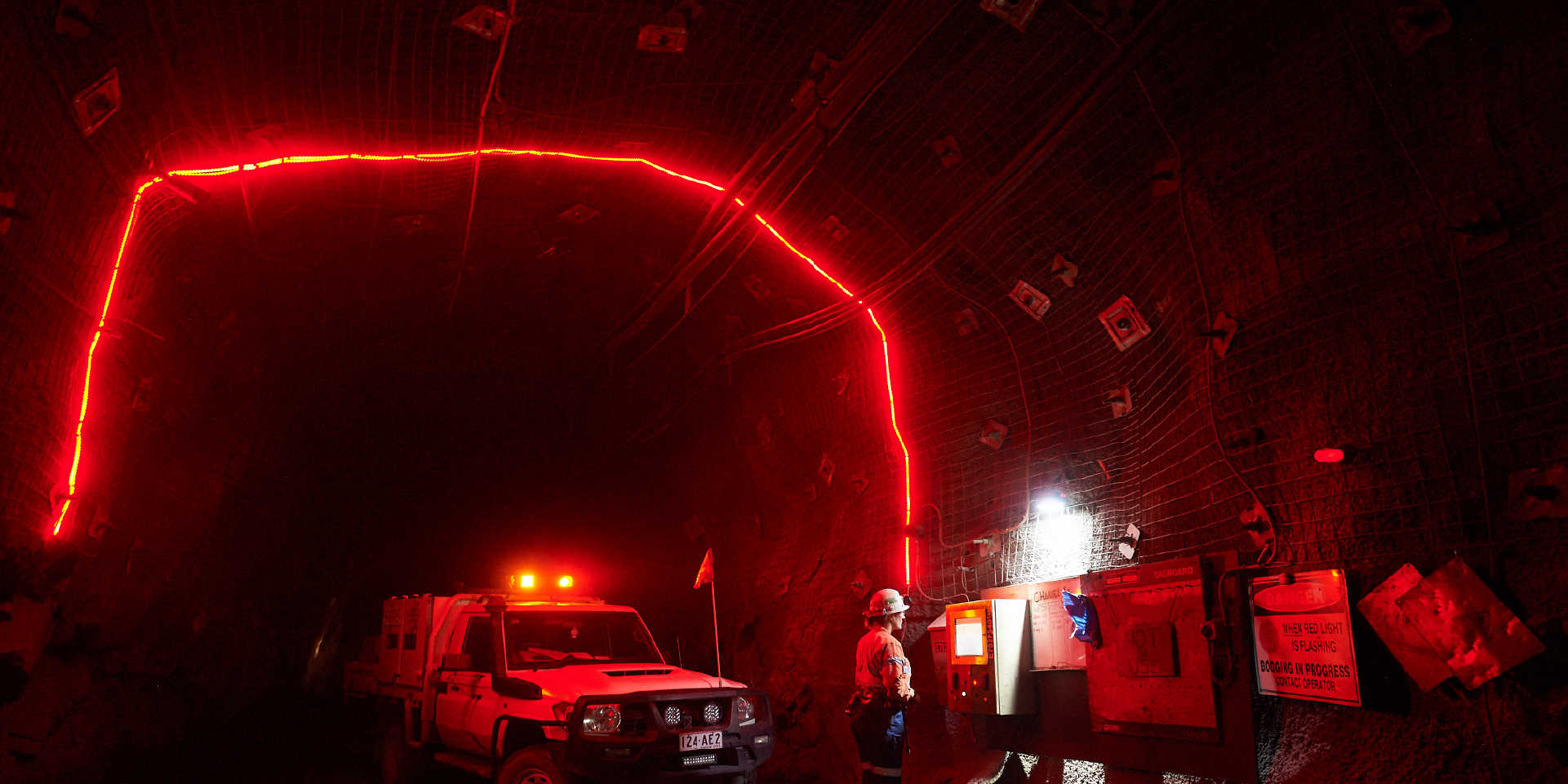
Need earlier warning underground?
Detect ground movements sooner and enable timely decisions.
Learn more
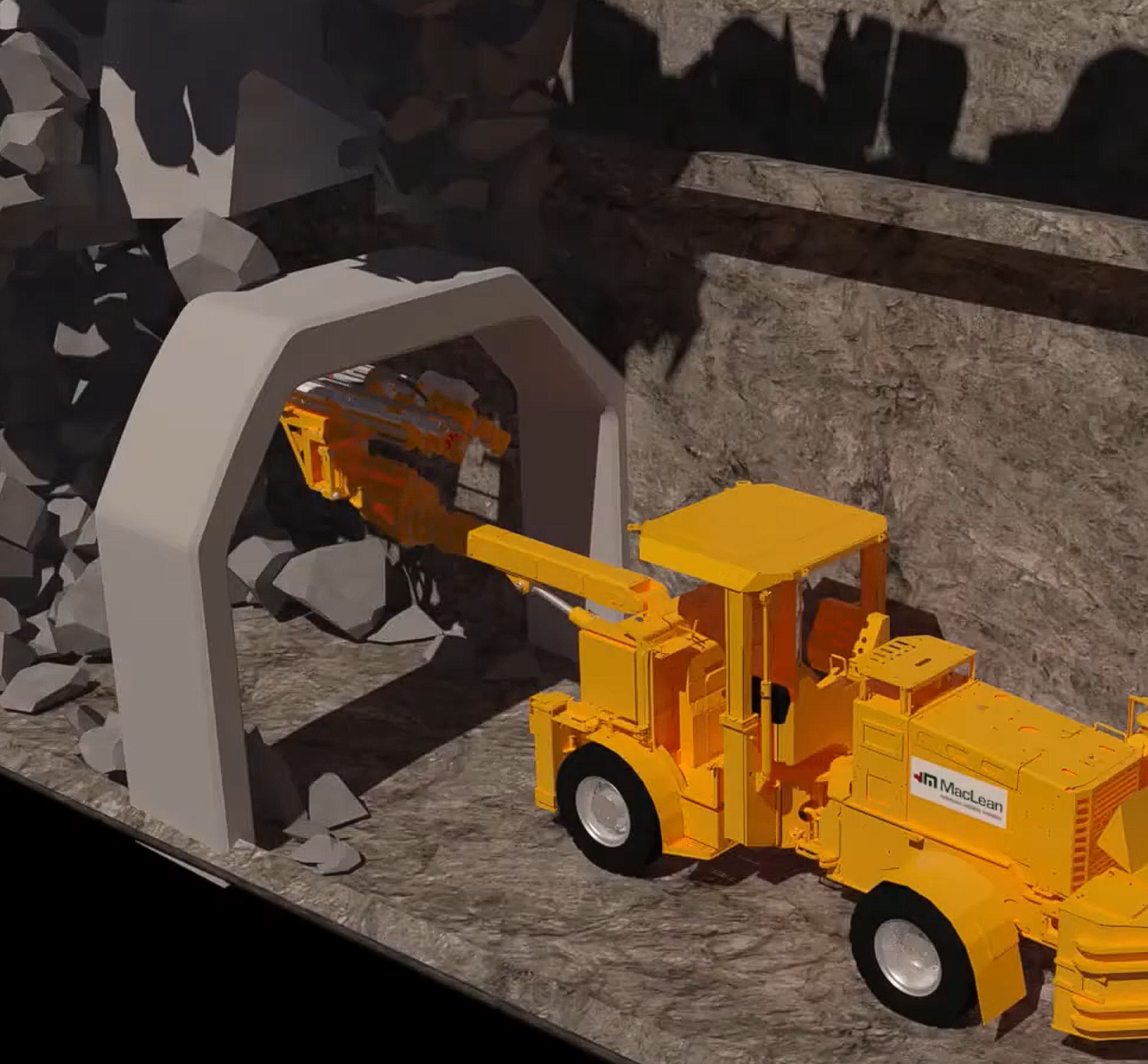
Hang-ups slowing production?
Restore drawpoint access faster with tele-remote blasting.
Learn more
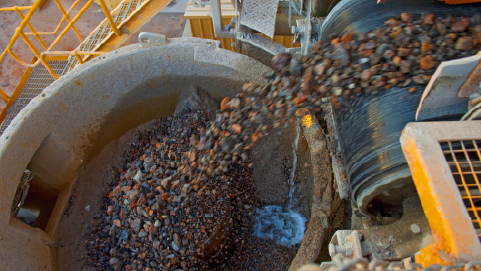
Disconnected mine-to-mill data?
Link blasting to flotation for better throughput and recovery decisions.
Learn more
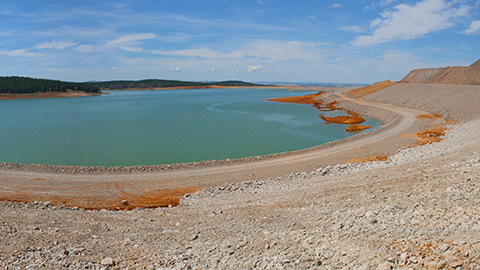
What if tailings could warn you before risk becomes reality?
See how early detection works