News & Media
Australian research pilot plant turns CO2 into potential green construction materials
11 Apr 2016
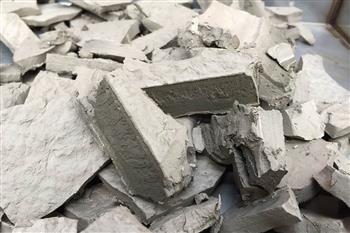
Mineral Carbonation International (MCi) commenced operation of its carbon conversion reactor at the University of Newcastle (UoN) on March 24, 2016. This is a step closer to establishing the basis for a large scale solution for utilising CO2 in building materials such as cement bricks.
The CO2 mineral carbonation research pilot plant, located at the UoN’s Newcastle Institute for Energy and Resources (NIER) facility, is transforming captured CO2 emissions into forms of carbonates and silicates for potential use in green construction materials such as cements and plasterboard.
The establishment of the carbon reactor plant is an important milestone for MCi that is leading the development of novel methods for permanently and safely disposing carbon from emissions of fossil fuel electricity generators and other industrial processes.
The commissioning of the new research pilot plant follows nine years of R&D undertaken by the joint venture partners University of Newcastle, GreenMag Group and Orica. The AUD$10m project operates with joint funding from the Commonwealth and New South Wales Governments, Orica and supported by the R&D Tax Incentive.
Orica Acting Group Executive, Strategic Marketing and Technology, Jez Smith said: “This achievement brings us another step closer to closing the carbon loop and is a result of years of collaborative research between the University of Newcastle, GreenMag and Orica."
Mr Smith also spoke about the potential of the technology, saying: “Mineral carbonation technology has the potential to help Orica and customers address issues associated with CO2 intensive operations, produce materials for use in the construction sector and open up new markets for the materials used to sequester the carbon dioxide.”
MCi CEO, Marcus St. John Dawe said: “The mineral carbonation technology mimics and accelerates the Earth's own carbon sink mechanism by combining CO2 with low grade minerals to make inert carbonates and silica, which are similar to common chalks and sand.”
The project is being conducted by a leading multi-disciplinary team of more than 25 researchers, chemical and industrial engineers led by Dr Geoff Brent and Dr Mark Rayson from Orica, Professor Eric Kennedy, Professor Michael Stockenhuber and Dr Jan-Dirk Prigge from the University of Newcastle.
University of Newcastle Deputy Vice-Chancellor (Research & Innovation), Professor Kevin Hall said the research pilot plant was an excellent example of research and industry working in collaboration to solve global challenges.
“This project highlights the scale of innovation being led out of the Hunter through NIER and points to emerging industries and future jobs markets that may arise as a result of these innovative technologies.”
Mineral Carbonation International continues to develop global partnerships with industry as it moves into its commercialisation phase and the funding of a demonstration scale plant.
About Orica
An Australian mining services company with global operations, Orica has a diverse workforce of over 12,000 people servicing customers across more than 100 countries. Orica is focused on developing long term partnerships that reduce total cost of mining, improve productivity and enhance our customers’ licence to operate.
Orica is the largest provider of commercial explosives and blasting systems to the mining, quarrying, oil and gas and construction markets, a global leader in the provision of ground support in mining and tunnelling, and a leading supplier of sodium cyanide for gold extraction.
About Mineral Carbonation International (MCi)
An Australian based startup, MCi is focussed on developing and commercialising technologies for large scale CO2 storage through mineral carbonation – speeding up the Earth’s own process for carbon storage.
Based in Canberra and Newcastle, Australia, there are 25 passionate employees involved in MCi’s research, engineering and commercialisation activities. MCi’s research is also being conducted through several leading institutions such as University Newcastle, University of Sydney, Columbia University and supporting research activities around the globe.
MCi is also partnering with industry leaders globally to develop these new products and is teaming with organisations in carbon capture, low and negative emission tech and renewable energies.
About GreenMag Group
GreenMag Group was founded by two Canberran entrepreneurs Marcus Dawe and John Beever in 2007. MCi was founded on their efforts to win government funding that eventually established the collaboration with Orica and University of Newcastle as its foundation shareholders.
About University of Newcastle
The University of Newcastle harnesses the capacity of its world-class researchers to foster innovation and deliver impact in its region and across the world. The university’s global reputation is built on areas of disciplinary strength including science and engineering, health and medicine, and energy and resources. Championed by two flagship research institutes, NIER and the Hunter Medical Research Institute, the University drives engagement and collaboration in partnership with industry, business and government to deliver cross-disciplinary research translated into word-class innovation. NIER is home to the NSW Energy Innovation Hub and an International Centre for Balanced Land Use, and works with partners around the world on the critical issues of energy use, sustainability and renewables. The University is currently ranked in the top three per cent of universities globally by both the Times Higher Education and QS world rankings and UON was ranked in the top 8 of Australian Universities for research rated at ‘well above world standard’ in the latest Excellence in Research for Australia assessment (2015).
Media Contact
Andrew Valler
Senior Manager, Global Marketing Communications
Mobile: +61 437 829 211
Email: [email protected]